
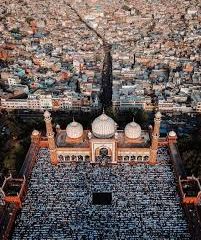
Noumahla Masjid
Noumahla Masjidis a historic mosque located in the Civil Lines area of Bareilly, Uttar Pradesh, India. It is known for its significant role as a headquarters for revolutionaries during the 1857 Indian independence movement. Nawab Khan Bahadur Khan and other freedom fighters used the mosque as a strategic meeting place to plan operations against British rule.
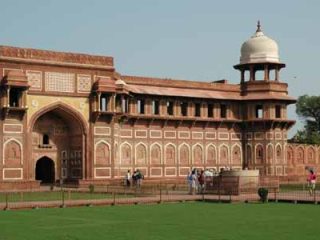
Bareilly Fort
In 2026, Bareilly Fort (historically known as the Old City Fort or Quila) refers to the remnants of the masonry fortification built in 1657 by the Mughal governor Mukrand Rai. Originally constructed to solidify the city’s administrative power, the site now primarily consists of historical ruins, the ancient Jama Masjid, and the Quila Police Station, which occupies part of the original structure.
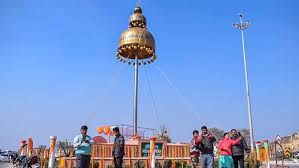
Bareilly ka Jhumka Monument
The Bareilly ka Jhumka Monument is a significant landmark located at the zero point roundabout on National Highway 24 in the Parsa Khera area of Bareilly, Uttar Pradesh. This iconic monument was conceptualized and installed by the Bareilly Development Authority (BDA), drawing inspiration from the famous 1966 Hindi film song “Jhumka Gira Re, Bareilly Ke Bazaar Mein…” from Mera Saaya, a tune that has long been synonymous with the city’s identity.
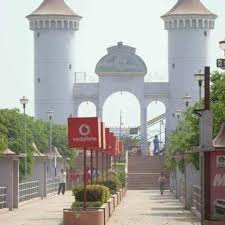
Army Service Corps Museum
This is the primary museum, housing over 2,000 artifacts related to the history and traditions of the ASC, which provides logistics for the Indian Army. Exhibits include weaponry, uniforms, medals, documents, maps, and communication instruments. An outdoor “Transport Harbour” displays vintage vehicles and even a microlight aircraft used for a record flight.
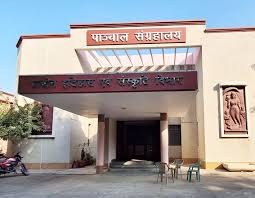
Panchala Museum
The Panchal Museum is located on the campus of Mahatma Jyotiba Phule Rohilkhand University in Bareilly, Uttar Pradesh, India, and houses a significant collection of antiquities from the ancient and medieval past of the Rohilkhand region. The museum offers a glimpse into the region’s cultural legacy, with artifacts from various historical periods, including the Mahabharata, Gupta, and Maurya eras.