


About Bareilly
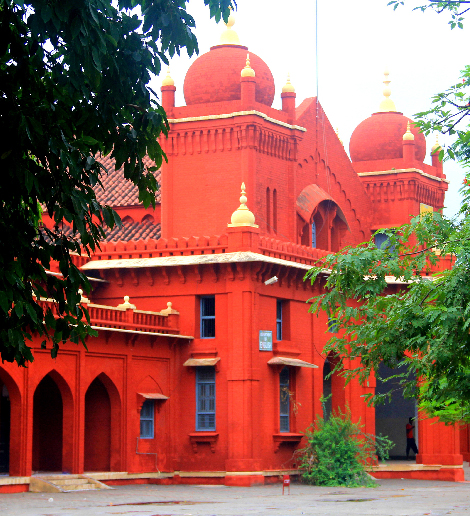
It is the gateway to the Kumaon hills, and is also mid-way on the National highway from Lucknow to New Delhi. The Panchala Museum in the University Campus and the Army Service Corps Museum in Bareilly Cantonment have an excellent collection of artifacts and manuscripts.
It is a city of temples and among the prominent ones are: Hari Mandir, ISKCON Temple, Shri Dauji Ka Mandir, Shri Bankey Bihari Temple, Lakshmi Narayan Temple and Pashupati Nath Temple.
Among the prominent mosques are the Dargah Ala Hazrat Imam Ahmed Raza Khan, Dargah Hazrat Shah Sharafat Miyan, Bibi ki Masjid and Jama Masjid.
There are several Gurudwaras as well, the important being the Bada Gurudwara and Gurudwara Guru Teg Bahadur Sahib.
There are many parks and shopping malls in the bustling city. It is known for its greenery, the Army Cantonment and several educational and research institutions such as the Rohilkhand University, Indian Veterinary Research Institute (IVRI) and the Central Avian Research Institute (CARI).
Bareilly Through Time
Bareilly is one of the prominent cities of Uttar Pradesh with a rich historical background that dates back several centuries. The city was founded in 1537 AD by Bansaldev, a local ruler of the Katehriya Rajput clan. Later, Bareilly gained importance during the Mughal period, when it became a well-developed administrative and commercial center due to its strategic location in the Rohilkhand region.
In the 18th century, Bareilly rose to prominence as the capital of Rohilkhand under the rule of Nawab Ali Mohammad Khan, the founder of the Rohilla state. Many historical structures, markets, and religious institutions developed during the Rohilla rule, shaping the city’s identity.
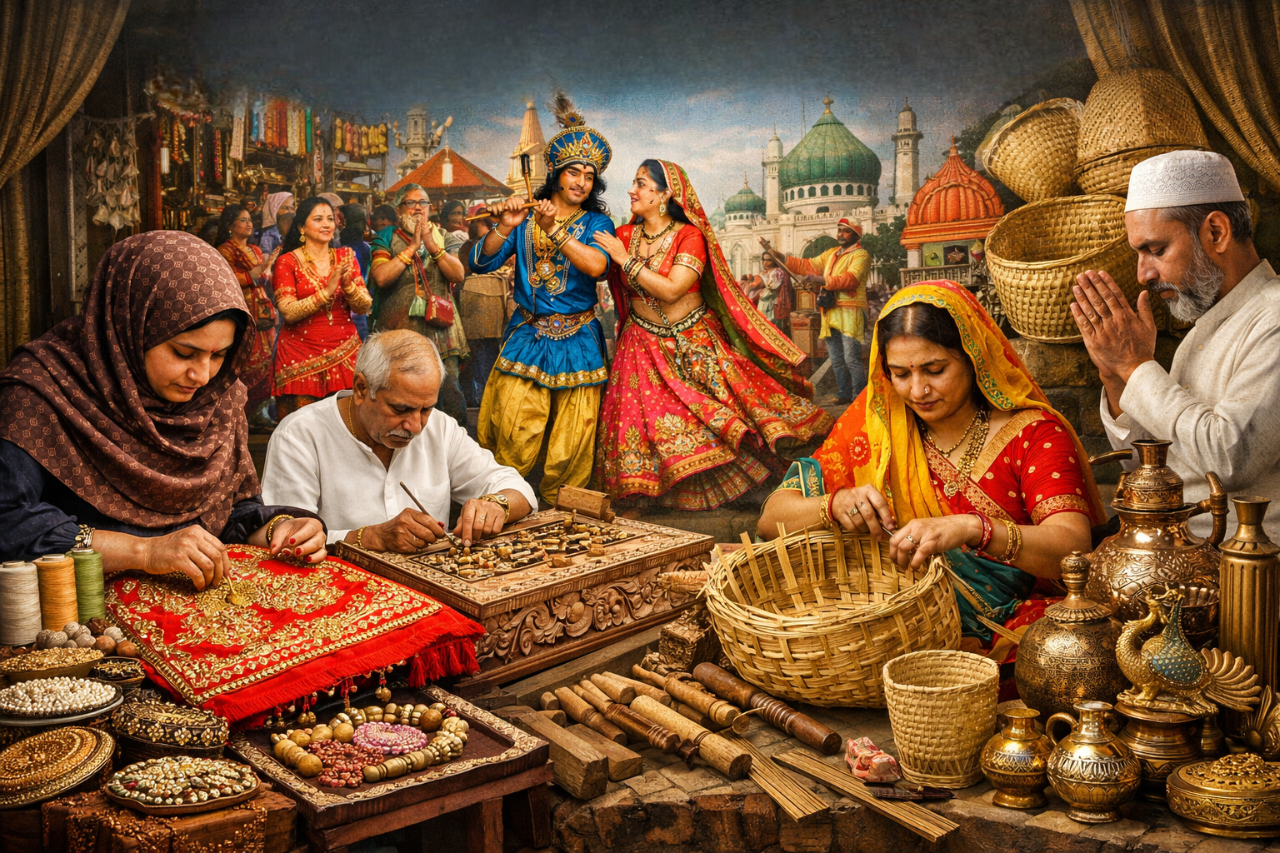
Bareilly has a rich and diverse cultural heritage shaped by history, spirituality, art, and communal harmony. Known as “Nath Nagari”, the city is deeply influenced by the Nath tradition, with several ancient Shiva temples that reflect its spiritual roots. At the same time, Bareilly is also known for its Sufi heritage, highlighted by the famous Ala Hazrat Dargah, which attracts devotees from across the country.
The culture of Bareilly is a beautiful blend of Hindu and Muslim traditions, seen in its festivals, architecture, music, and everyday lifestyle. Festivals like Holi, Diwali, Eid, Muharram, and Urs are celebrated with equal enthusiasm, promoting unity and brotherhood among communities.
Bareilly is a city known for its cultural diversity and vibrant celebrations, where festivals are observed with great enthusiasm and community spirit. People from different traditions come together, making the city lively throughout the year.
Major Hindu festivals such as Diwali, Holi, Dussehra, Janmashtami, Navratri, and Maha Shivratri are widely celebrated. During these festivals, temples are beautifully decorated, special prayers are held, and cultural programs take place, especially in areas associated with the Nath tradition, as Bareilly is famously known as Nath Nagari.
The Making of Modern Bareilly

Art, Crafts, and Traditions
Bareilly has a rich cultural heritage that reflects the traditions of Rohilkhand and the artistic skills passed down through generations. The city is well known for its unique crafts, traditional art forms, and vibrant customs that represent the true spirit of the region.

Industrial Growth and Development
Bareilly has emerged as an important industrial and commercial center in the Rohilkhand region of Uttar Pradesh. The city’s strategic location, improving infrastructure, and semi-skilled manpower have contributed to its steady industrial growth over the years.

How to Reach Bareilly

By Train
Bareilly is well connected by rail through Bareilly Junction & other railway stations, with trains from many important cities across India.

By Air
Bareilly can be reached by air through Subhash Chandra Bose Airport (BEP), which connects the city to major Indian destinations.

By Road
Bareilly is easily accessible by road through national and state highways, with regular bus and taxi services from nearby cities.
